


Essential Puppy Supplies for Beginners: Complete Checklist
Table of Contents
What New Puppy Owners Actually Need vs. Marketing Hype
Prioritized Essentials: First Week vs. First Month
Budget Reality: What to Spend and Where to Save
Puppy Food and Feeding Supplies
Choosing the Right Food for Your Puppy's Age and Size
Food and Water Bowls: Materials and Sizing
Puppy Crate and Bedding Setup
Selecting the Right Crate Size and Style
Bedding and Sleep Comfort Essentials
Walking, ID, and Safety Gear
Collar, Harness, Leash, and Identification Tag
Safe Confinement for Apartment and House Settings
Puppy Training and Cleaning Supplies
Training Treats and Toys for Early Learning
Potty Training and Waste Cleanup Essentials
Grooming and Health Supplies
Basic Grooming Tools and Puppy Shampoo
Flea, Tick, and Dental Care Basics
Your First Week: How to Use These Supplies Correctly
Day One Setup and Common Mistakes to Avoid
Puppy-Proofing Your Home and Safe Spaces
Frequently Asked Questions
Last Updated: October 11, 2026
What New Puppy Owners Actually Need vs. Marketing Hype
Getting a new puppy is exciting, but the sheer volume of products marketed as "essential" can overwhelm even experienced pet owners. The truth is simpler: most new puppy owners don't need half of what retailers suggest.
Essential puppy supplies for beginners fall into a few clear categories: feeding equipment, safe containment, basic safety gear, training tools, and cleaning supplies. Everything else is either optional or can wait.
Prioritized Essentials: First Week vs. First Month
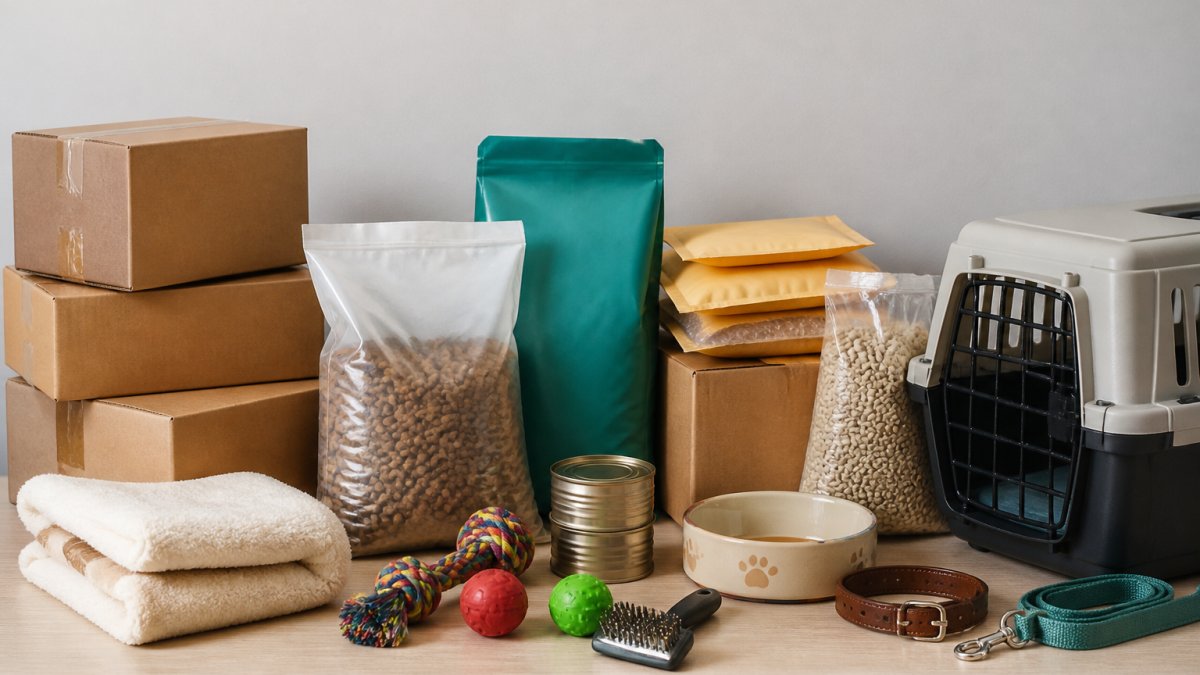
Your first week demands only the basics. A crate, food and water bowls, puppy food, a collar and leash, identification, bedding, and training treats will get you through day one. You don't need fancy toys yet, puppies are too overwhelmed to play.
By the end of week two, add grooming supplies and waste cleanup tools. By week four, you can consider optional items like puzzle toys or additional bedding. This staged approach saves money and prevents clutter.
Budget Reality: What to Spend and Where to Save
First-week essentials can be acquired affordably if you prioritize correctly. Stainless steel bowls cost less than ceramic or elevated feeders. A basic nylon collar and leash work as well as premium versions.
Where NOT to save: crates, identification, and safety gear. A poorly sized crate defeats training. A missing ID tag risks losing your puppy. A flimsy leash creates safety hazards.
Where you can save: toys, grooming supplies, and decorative bedding. Your puppy doesn't care if the crate pad is designer fabric.
Puppy Food and Feeding Supplies
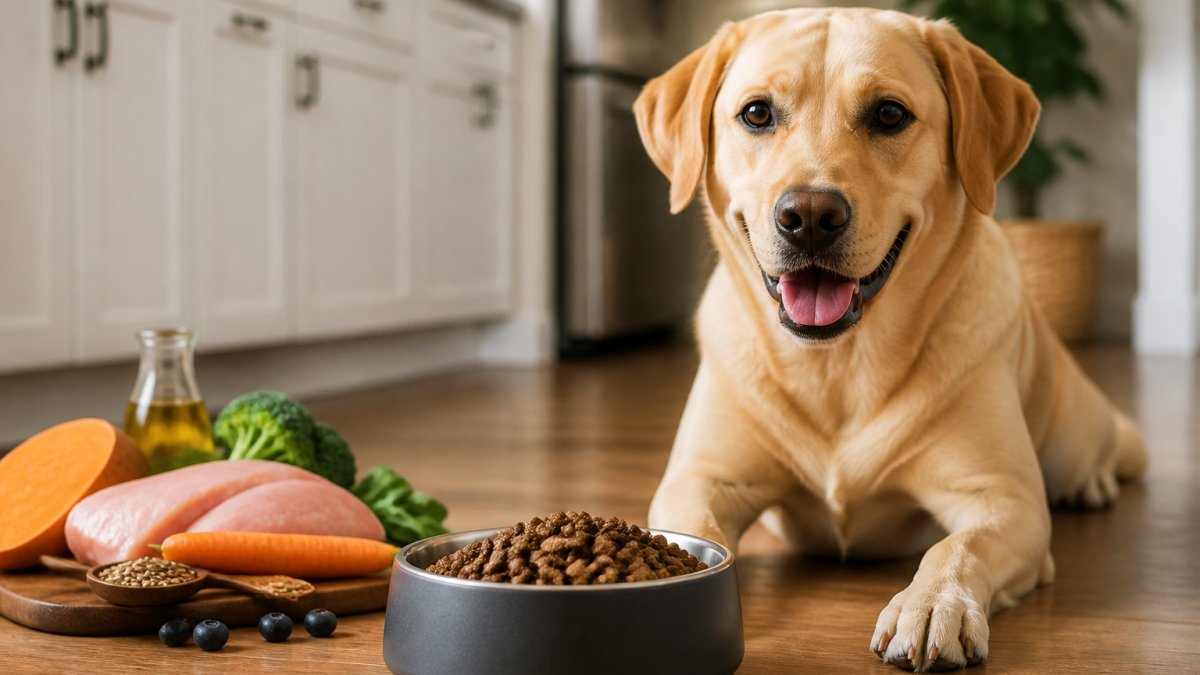
Feeding your puppy correctly from day one sets the foundation for growth and health. Most new owners overthink this. Your puppy needs age-appropriate food, fresh water, and consistent meal timing. That's it.
Choosing the Right Food for Your Puppy's Age and Size
Puppy food differs from adult dog food because it's formulated for rapid growth. Large-breed puppies need different calcium and phosphorus ratios than small-breed puppies to prevent joint problems.
Complete puppy food means it contains all nutrients your puppy needs. You don't need supplements unless your veterinarian specifically recommends them.
Feeding frequency matters: puppies under three months eat three to four times daily. From three to six months, switch to three meals.
Food and Water Bowls: Materials and Sizing
Stainless steel bowls are your best choice. They're durable, dishwasher-safe, non-toxic, and inexpensive. Ceramic bowls work well but break easily.
Size matters more than material. A puppy's bowl should be small enough that they can reach the bottom without straining their neck. As they grow, you'll upsize.
Fresh water should always be available. Use the same bowl setup for water as for food. Empty and refill daily to prevent bacterial growth.
Puppy Crate and Bedding Setup
Crate training is one of the most valuable tools for new puppy owners. A properly sized crate becomes your puppy's safe space and accelerates housebreaking. This isn't cruel, dogs naturally seek enclosed spaces for security.
Standing Stone Kennels
Selecting the Right Crate Size and Style
Your crate should be large enough for your puppy to stand, turn around, and lie down comfortably.
Wire crates work best for most homes. They're affordable, collapsible for travel, and provide visibility. Plastic airline-style crates are better for cars and travel but harder to fit in living spaces.
Crate training takes patience. Your puppy won't love it immediately. Start with short periods, always associate the crate with positive things (treats, meals), and never use it as punishment.
Bedding and Sleep Comfort Essentials
Puppies need comfortable bedding, but it doesn't need to be expensive. A washable, non-toxic pad or blanket is sufficient.
Your puppy will chew bedding, so avoid loose stuffing or materials that could cause intestinal blockages. Solid foam pads or heavy cotton blankets are safer than stuffed dog beds.
Keep the crate in your bedroom for the first few weeks. Your puppy will sleep better knowing you're nearby, and you'll hear when they need a potty break.
Walking, ID, and Safety Gear
Your puppy needs to be identifiable and safely contained before leaving your home. This isn't optional, it's the difference between a lost puppy and a found one.
Collar, Harness, Leash, and Identification Tag
A lightweight collar works for most puppies. Adjust it so you can fit two fingers under it comfortably.
A harness gives you better control than a collar alone and reduces neck strain. For small puppies, a basic harness is fine.
Your leash should be 4-6 feet long, made of durable material (nylon or leather), and comfortable to hold.
An identification tag is non-negotiable. Include your name, phone number, and address.
Safe Confinement for Apartment and House Settings
Apartments require different strategies than houses. In an apartment, your puppy needs a designated safe space, often the crate or a small penned area.
In a house, use baby gates to restrict access. Your puppy doesn't need the entire house.
Puppy-proofing means removing hazards: electrical cords, toxic plants, small objects they could swallow, and chemicals. Get down on puppy eye level and identify anything they could chew, eat, or destroy.
Puppy Training and Cleaning Supplies
Training starts immediately, and you need the right tools to make it effective. Cleaning supplies are equally important, accidents happen, and you need to clean them thoroughly.
Training Treats and Toys for Early Learning
Training treats should be tiny, the size of a pea. Your puppy should earn dozens during training sessions, so treats must be low-calorie.
Toys for training should be simple and engaging. A rubber ball, a rope toy, or a basic plush toy is enough.
Chew toys are essential. Puppies chew to explore their world and relieve teething pain. Offer a variety: rubber chew toys, rope toys, and edible chews. Supervise chewing to prevent choking.
Potty Training and Waste Cleanup Essentials
Enzymatic cleaner is helpful for accidents. Use an enzymatic cleaner on all accidents until your puppy is reliably housetrained.
Poop bags are obvious but often overlooked. Keep them everywhere: in your car, your pocket, your bag.
A designated potty area in your yard, if you have one, speeds housebreaking. Take your puppy to the same spot each time.
Paper training works for some situations.
Grooming and Health Supplies
Basic grooming prevents matting, reduces shedding, and gets your puppy comfortable with handling. Health supplies prevent common problems.
Basic Grooming Tools and Puppy Shampoo
A soft brush or comb is enough for most puppies. Brush gently, especially around sensitive areas.
Puppy shampoo is gentler than adult dog shampoo. Use lukewarm water and avoid getting water in ears or eyes.
Nail clippers are important. Long nails are uncomfortable and can damage furniture. Most puppies need trimming every 3-4 weeks.
Dental care starts early. A soft toothbrush and dog-safe toothpaste can be used. Brushing several times weekly is ideal, though even weekly brushing helps.
Flea, Tick, and Dental Care Basics
Flea and tick prevention is essential, especially in warmer climates. Your veterinarian will recommend the best option for your puppy's age and weight.
Dental health is often overlooked in puppies. Puppy teeth fall out and are replaced, but starting good habits now can be beneficial.
Regular veterinary checkups catch problems early. Your puppy needs vaccines, deworming, and health checks at specific intervals. Your vet will create a schedule and remind you of upcoming appointments.
Your First Week: How to Use These Supplies Correctly
The first week sets the tone for everything that follows. Your setup, your routine, and your consistency can influence your puppy's adjustment.

Day One Setup and Common Mistakes to Avoid
Set up your crate before your puppy arrives.
Have food and water bowls ready in an easy-to-clean area.
The biggest mistake new owners make is giving too much freedom too soon. Your puppy hasn't learned the rules yet.
Another common error: inconsistent potty breaks.
Don't skip the identification tag. Even indoor puppies can escape. An ID tag is your best insurance against losing your puppy.
Puppy-Proofing Your Home and Safe Spaces
Puppy-proofing means removing temptation and hazards.
Remove toxic plants, chemicals, medications, and foods. Keep cleaning supplies, pesticides, and medications secured.
Secure loose wires and cords. Puppies chew everything, and electrical cords are particularly dangerous.
Create a designated safe space where your puppy spends time when unsupervised. This is typically the crate or a gated room.
Supervise outdoor time carefully. Even a fenced yard isn't completely safe, puppies can escape through gaps or dig under fences.
Getting your new puppy set up for success doesn't require spending a fortune on every product marketed as essential. Our selection of puppy food, crates, collars, training treats, and grooming tools gives you everything you need to welcome your new family member confidently.
Frequently Asked Questions
What should I include on my first puppy supply list?
Start with feeding essentials: puppy food, food and water bowls, and training treats. Add safe confinement: a crate appropriately sized for your puppy, bedding, and a playpen or baby gate. Include walking gear: collar, harness, leash, and ID tag. Get cleanup supplies: poop bags and enzymatic cleaner. Finally, add toys and a brush. Skip fancy items until your puppy settles in, focus on the basics first.
How do I choose the right size crate for my puppy?
Measure your puppy's expected adult size, then select a crate where your puppy can stand, turn around, and lie down comfortably. For growing puppies, use a divider panel to adjust the space as they grow, preventing them from using one corner as a toilet area. If buying for a large-breed puppy, consider a crate with a divider rather than upgrading multiple times. Many retailers offer sizing guides based on breed.
What is the 3-3-3 rule for puppies?
The 3-3-3 rule describes puppy adjustment phases: 3 days to decompress, 3 weeks to learn your routine, 3 months to feel at home. This helps new owners understand that behavioral issues in the first week are normal and don't reflect your puppy's permanent personality. Use this timeline to set realistic expectations for crate training, potty training, and bonding during your first month.
What supplies do I need before bringing a puppy home?
Have these ready before pickup: puppy food (ask the breeder or shelter what they're currently feeding), appropriately sized crate and bedding, food and water bowls, collar and leash, ID tag, poop bags, enzymatic cleaner, toys, and training treats. Set up a designated safe space with a playpen or gated area. This preparation prevents stress and helps your puppy adjust faster during the critical first 24 hours.
Is puppy food different from adult dog food?
Yes. Puppy food contains higher levels of protein and calories to support growth and development. Large-breed puppy formulas are specifically formulated to prevent joint problems. Feed your puppy the food they're already eating when you bring them home, then transition gradually to your chosen brand over 7-10 days if needed. Ask your breeder or shelter what they've been feeding to ensure a smooth switch.
How much should I budget for essential puppy supplies?
Initial setup costs vary by puppy size and your choices, but prioritize quality on items your puppy uses daily: food, crate, bedding, and collar. You can save money on toys initially by rotating items and using safe household objects. Nehemiah Country Store offers free shipping and a loyalty program that helps reduce ongoing costs for recurring supplies like food and training treats. Check their website for current pricing and bundle options.
What's the difference between a crate and a playpen for puppies?
A crate is a confined space for crate training, sleeping, and safe transport, typically 4-6 hours maximum for young puppies. A playpen or gated area gives your puppy more room to move, play, and potty train while staying safe. Many owners use both: the crate for overnight and training, the playpen for daytime supervision when you can't watch constantly. For apartments, a playpen saves space while keeping your puppy secure.
Should I buy stainless steel or ceramic food bowls?
Stainless steel bowls are durable, dishwasher-safe, and won't chip or harbor bacteria. Ceramic bowls are heavier (less tipping) and aesthetically pleasing but can break if dropped. Avoid plastic bowls, which scratch easily and can harbor bacteria. Choose a bowl size based on your puppy's breed, larger breeds need bigger bowls to prevent neck strain. Elevated feeders are optional but can help with digestion in some cases.
Start Shopping

Comments